Fundraising Tips
The information is collected for my deck about fundraising in 2021/11.
The information is collected for my deck about fundraising in 2021/11.
 fundraising the hard way 2021/11/10
 speakerdeck.com
Business
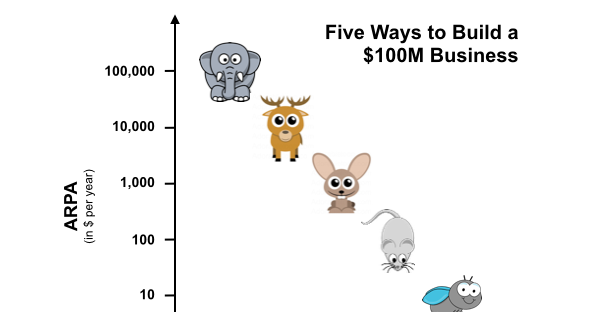 Five ways to build a $100 million business
To build a Web company with $100 million in annual revenues*, you essentially need: 1,000 enterprise customers paying you $100k+ per year each; or 10,000 medium-sized companies paying you $10k+ per year each; or 100,000 small businesses paying you $1k+ per year each; or 1 million consumers or "prosumers" paying
Five ways to build a $100 million business
To build a Web company with $100 million in annual revenues*, you essentially need: 1,000 enterprise customers paying you $100k+ per year each; or 10,000 medium-sized companies paying you $10k+ per year each; or 100,000 small businesses paying you $1k+ per year each; or 1 million consumers or "prosumers" paying
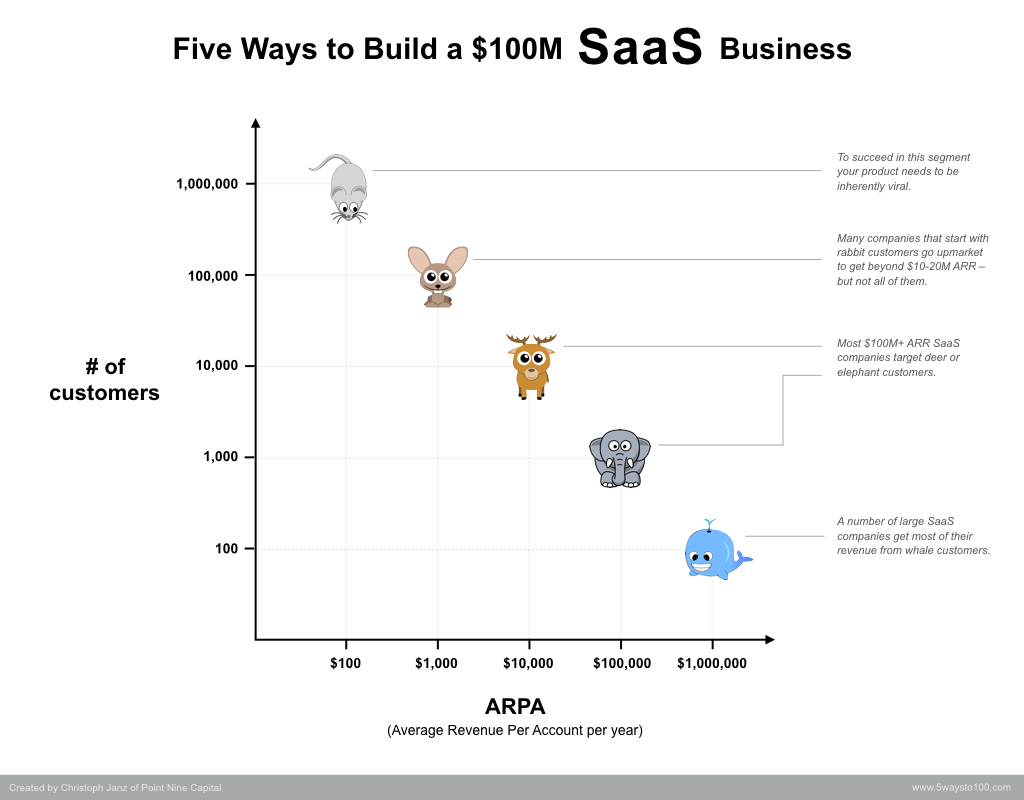 Five years later: Five ways to build a $100 million SaaS business
Back in 2014, I wrote a post titled "Five ways to build a $100 million business". If you haven't seen it yet, the central idea of the article was to look at how many customers you need, for a given...
Five years later: Five ways to build a $100 million SaaS business
Back in 2014, I wrote a post titled "Five ways to build a $100 million business". If you haven't seen it yet, the central idea of the article was to look at how many customers you need, for a given...
 medium.com
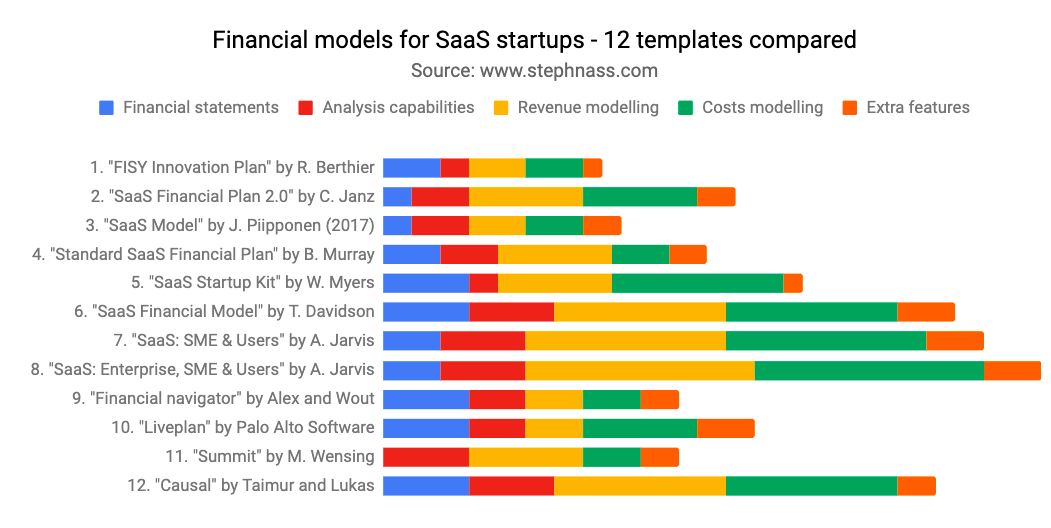 Startup financial models - 12 templates compared for SaaS
As a founder, there comes a time when you need a business plan, complete with financial forecasts, income statements, and fancy graphs that will impress your investors. Don't build it from scratch - use an existing model. A financial model allows you to draft financial projections easily, fast, and in a professional manner.
Startup financial models - 12 templates compared for SaaS
As a founder, there comes a time when you need a business plan, complete with financial forecasts, income statements, and fancy graphs that will impress your investors. Don't build it from scratch - use an existing model. A financial model allows you to draft financial projections easily, fast, and in a professional manner.
 stephnass.com
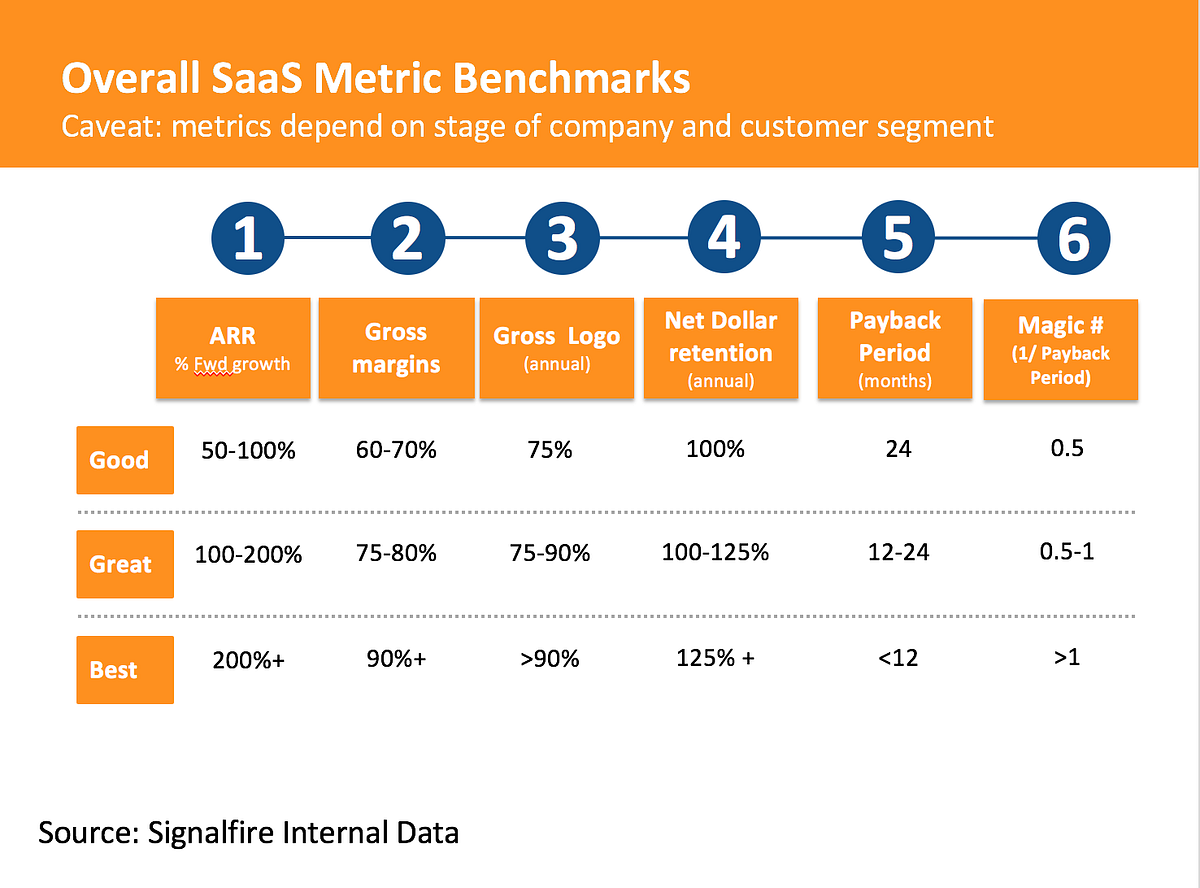 Top 5 Metrics VCs Look At for Series A/B/C
We help demystify the data due diligence process during fundraising in this blogpost. We talk about what are the key metrics VCs look at, why and how to calculate.
medium.com
Top 5 Metrics VCs Look At for Series A/B/C
We help demystify the data due diligence process during fundraising in this blogpost. We talk about what are the key metrics VCs look at, why and how to calculate.
medium.com
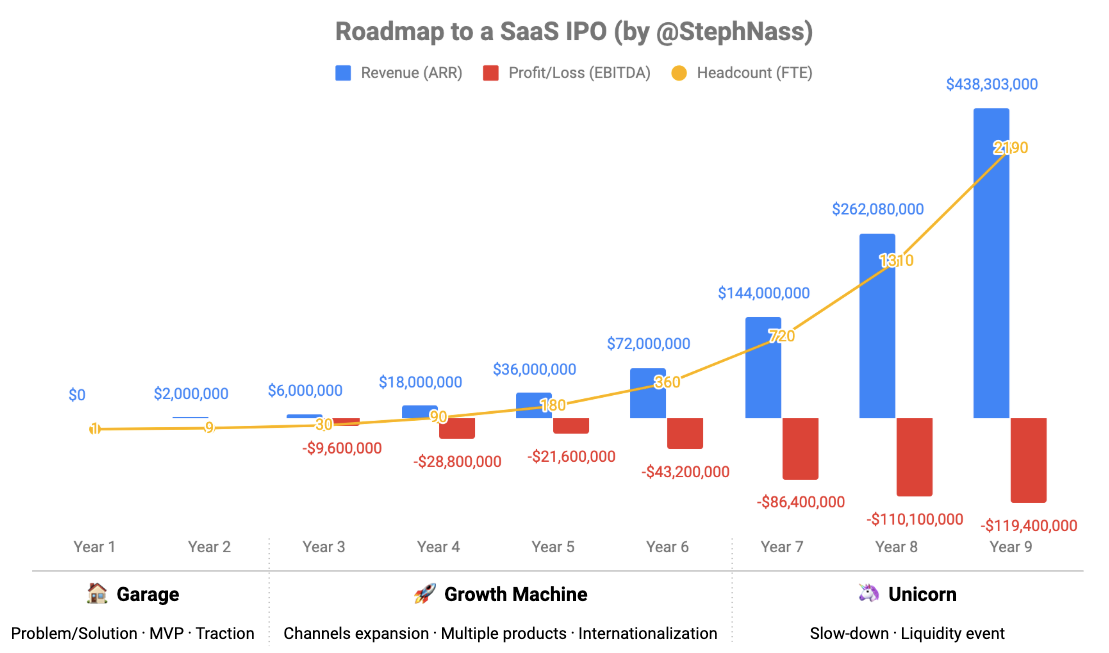 Roadmap to a SaaS IPO: how to unicorn your way to $100M revenue
UPDATE 2020: I have moved away from Medium! You can find this article and all the new ones >>>__HERE__<<< Over the past few years, the world's best entrepreneurs and investors have released highly valuable articles about SaaS startups. Christoph Janz wrote about funding, Neeraj Agrawal wrote about growth, Jason Lemkin wrote about...
medium.com
Roadmap to a SaaS IPO: how to unicorn your way to $100M revenue
UPDATE 2020: I have moved away from Medium! You can find this article and all the new ones >>>__HERE__<<< Over the past few years, the world's best entrepreneurs and investors have released highly valuable articles about SaaS startups. Christoph Janz wrote about funding, Neeraj Agrawal wrote about growth, Jason Lemkin wrote about...
medium.com
Pitch Deck
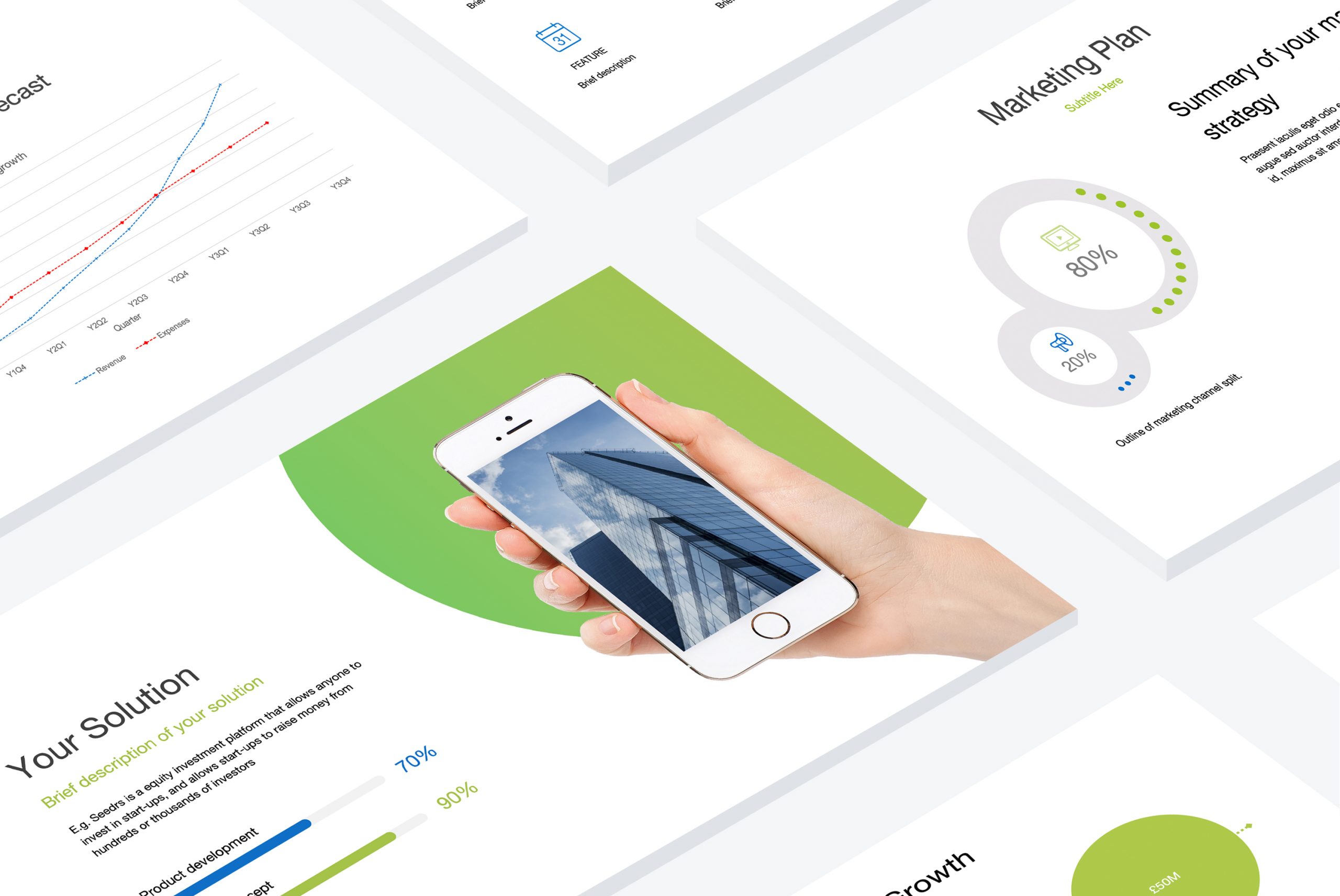 Investment Pitch Deck Template: 22 Slides To Include
A strong investment pitch deck will help you deliver a convincing pitch to investors, but what exactly should you include in one? Whilst every founder should tailor their pitch and their investment pitch deck to themselves and their business, there are some basic structures to creating a pitch deck that you'll find useful for getting started.
Investment Pitch Deck Template: 22 Slides To Include
A strong investment pitch deck will help you deliver a convincing pitch to investors, but what exactly should you include in one? Whilst every founder should tailor their pitch and their investment pitch deck to themselves and their business, there are some basic structures to creating a pitch deck that you'll find useful for getting started.
 seedrs.com
Shares, ESOP, Dilution
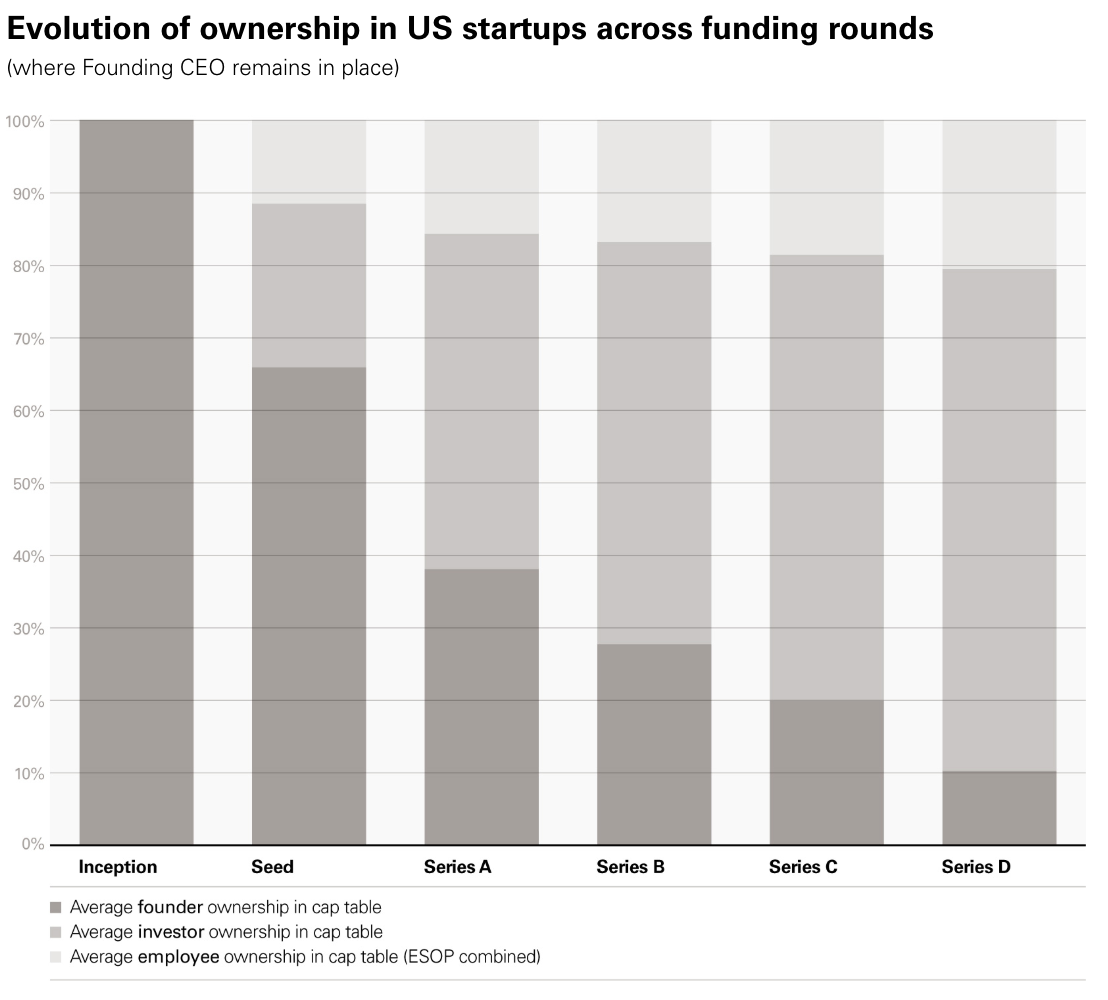 How much dilution makes sense for a founder
In the startup jargon, the term " ownership" refers to the percentage of the company that belongs to its founders or any other shareholder. In this post, we will explore how much ownership founders need to maximize the potential of their ventures.
medium.com
Co-Founder Equity Calculator
How much dilution makes sense for a founder
In the startup jargon, the term " ownership" refers to the percentage of the company that belongs to its founders or any other shareholder. In this post, we will explore how much ownership founders need to maximize the potential of their ventures.
medium.com
Co-Founder Equity Calculator
Convertible Note
KISS or Keep It Simple Security Convertible Note | Eqvista Have your company up and running but still need some capital to support and grow it? Don't want to offer equity for the funding you raise? In this case, you can make use of convertible security instruments such as a KISS convertible note, otherwise known as a Keep It Simple Security.Cap Table
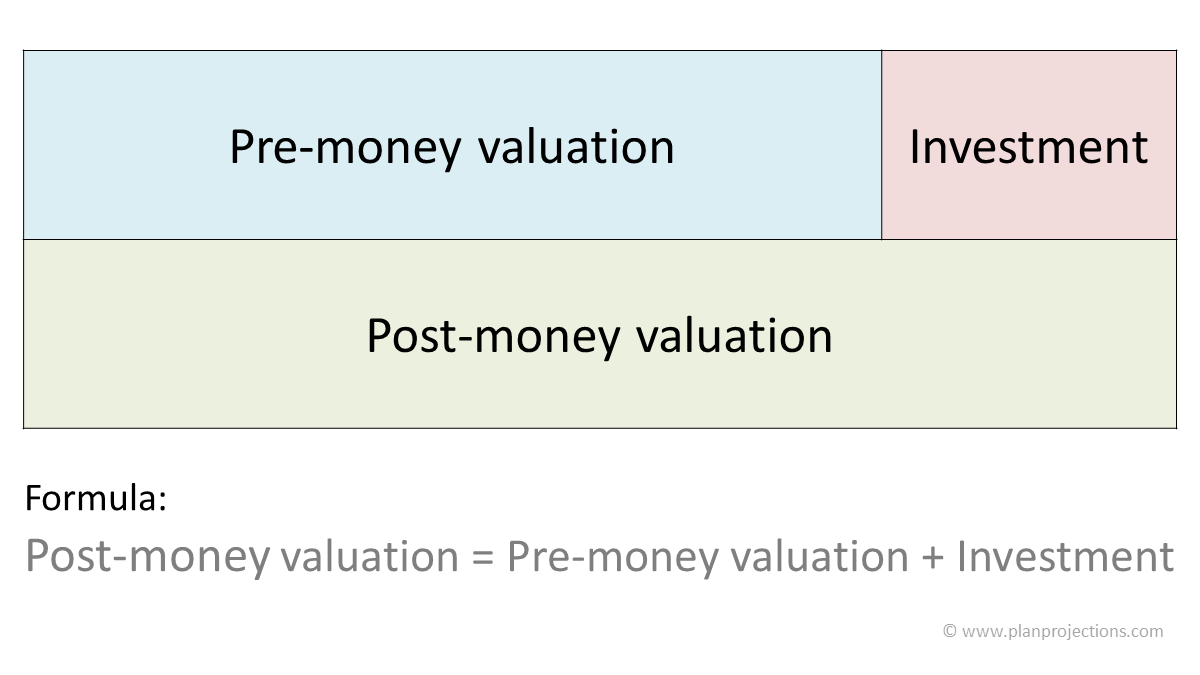 Series A Cap Table Modeling and Convertible Notes | Plan Projections
A Series A cap table is used to show the effect on the percentage ownership of a business following the introduction of Series A investment. Typically when a Series A funding round is undertaken it will also trigger the conversion of convertible loan notes into equity shares in the business and this also needs to be reflected in the Series A cap table.
Series A Cap Table Modeling and Convertible Notes | Plan Projections
A Series A cap table is used to show the effect on the percentage ownership of a business following the introduction of Series A investment. Typically when a Series A funding round is undertaken it will also trigger the conversion of convertible loan notes into equity shares in the business and this also needs to be reflected in the Series A cap table.
 planprojections.com
ESOP
 The Option Pool Shuffle
"Follow the money card!" - The Inside Man, Three-Card Shuffle Summary: Don't let your investors determine the size of the option pool for you. Use a hiring plan to justify a small option pool, increase your share price, and increase your effective valuation. If you don't keep your eyes on the option pool while you're...
The Option Pool Shuffle
"Follow the money card!" - The Inside Man, Three-Card Shuffle Summary: Don't let your investors determine the size of the option pool for you. Use a hiring plan to justify a small option pool, increase your share price, and increase your effective valuation. If you don't keep your eyes on the option pool while you're...
 venturehacks.com
 Typical Employee Equity Levels - The Holloway Guide to Equity Compensation
Compensation data is highly situational. What an employee receives in equity, cash, and benefits depends on the role they're filling, the sector they work in, where they and the company are located, and the possible value that specific individual may bring to the company. Any compensation data out there is hard to come by.
Typical Employee Equity Levels - The Holloway Guide to Equity Compensation
Compensation data is highly situational. What an employee receives in equity, cash, and benefits depends on the role they're filling, the sector they work in, where they and the company are located, and the possible value that specific individual may bring to the company. Any compensation data out there is hard to come by.
 holloway.com
 A No B.S. Guide to Startup Stock Option Grants
A guide for how many options a startup should grant, and how potential and current employees can evaluate their option value. One of Skillshare's core company values is transparency. We share as much information as we can with our team: metrics, financials, long-term vision, challenges.
medium.com
A No B.S. Guide to Startup Stock Option Grants
A guide for how many options a startup should grant, and how potential and current employees can evaluate their option value. One of Skillshare's core company values is transparency. We share as much information as we can with our team: metrics, financials, long-term vision, challenges.
medium.com
 Startup Employee Equity 101 - How to Give Equity to Your Team! - the Hub
No pilot flies alone and every plane needs a crew. Likewise, every founder needs a team to take their idea off the ground. Yet, early stage startups often do not have the budget to hire a dream team. This is why startups often offer equity instead of salary to their first hires.
Startup Employee Equity 101 - How to Give Equity to Your Team! - the Hub
No pilot flies alone and every plane needs a crew. Likewise, every founder needs a team to take their idea off the ground. Yet, early stage startups often do not have the budget to hire a dream team. This is why startups often offer equity instead of salary to their first hires.
 blog.thenordichub.com
 [VC 101] 什麼是 ESOP - Cornerstone Ventures
我是 布蘭登,畢業於台大數學系、商研所畢業。與台大物理系、光電所畢業的 TP 一起管理 基石創投 (我們是另類的理科創投?)。研究所時期對於網路創業與創業投資產生興趣,經過初創企業與大公司的洗禮,之後投入創投產業至今。 VC 101 是在我跟幾個熟悉的創業者聊天的過程中,發現其實創業者對於 VC 的世界是很陌生的,為了讓他們更了解 VC 相關的日常,VC 101 專欄分享。除了 [VC 101] 以外,還有 [創業者這樣說] 與 [布蘭登觀點] 來分享不同類別的看法。 延續上次 [VC 101] 創業團隊之股權設計原則 ,裡面提到了創業團隊股權架構的原則,在這之後,有幾個創業者跑來詢問詢問:「Brandon,我覺得你建議創業團隊的股權設計原則不錯,但我最近的困擾是我如何分配給我的員工,特別是他們從公司一開始就跟我到現在,公司現在也算是有一點成績了,但如果只是給他們薪水,這樣又好像有點虧待他們,有些員工也會想,他替公司開疆闢地,也只是領這樣的薪水,長期可能會留不住這樣的員工,有沒有其他的方法可以解決呢?」 一般而言,創業核心團隊可以透過一開始的團隊股權架構設計,解決核心團隊努力付出與報酬相對應的問題。而早期加入的員工,一開始也不會拿太好的薪水,因為 Startups 也很難給得起好薪水,所以就會透過 Employee Stock Ownership Plans (ESOP) 與薪水混合的方式,提供整包 Package 給員工,而越晚進入的員工,比例上就會是薪水比較多, ESOP 越來越少,等公司規模夠大,就會像是大公司一樣,大多數的員工都是領薪水的。而什麼是 ESOP 呢? 照字面上來看,就是員工持股計劃,也就是公司會提供幾種方式,讓員工有機會持有公司的股票,常見的方式有 Stock Option、 Restricted Stock Units (RSU)、 Phantom
[VC 101] 什麼是 ESOP - Cornerstone Ventures
我是 布蘭登,畢業於台大數學系、商研所畢業。與台大物理系、光電所畢業的 TP 一起管理 基石創投 (我們是另類的理科創投?)。研究所時期對於網路創業與創業投資產生興趣,經過初創企業與大公司的洗禮,之後投入創投產業至今。 VC 101 是在我跟幾個熟悉的創業者聊天的過程中,發現其實創業者對於 VC 的世界是很陌生的,為了讓他們更了解 VC 相關的日常,VC 101 專欄分享。除了 [VC 101] 以外,還有 [創業者這樣說] 與 [布蘭登觀點] 來分享不同類別的看法。 延續上次 [VC 101] 創業團隊之股權設計原則 ,裡面提到了創業團隊股權架構的原則,在這之後,有幾個創業者跑來詢問詢問:「Brandon,我覺得你建議創業團隊的股權設計原則不錯,但我最近的困擾是我如何分配給我的員工,特別是他們從公司一開始就跟我到現在,公司現在也算是有一點成績了,但如果只是給他們薪水,這樣又好像有點虧待他們,有些員工也會想,他替公司開疆闢地,也只是領這樣的薪水,長期可能會留不住這樣的員工,有沒有其他的方法可以解決呢?」 一般而言,創業核心團隊可以透過一開始的團隊股權架構設計,解決核心團隊努力付出與報酬相對應的問題。而早期加入的員工,一開始也不會拿太好的薪水,因為 Startups 也很難給得起好薪水,所以就會透過 Employee Stock Ownership Plans (ESOP) 與薪水混合的方式,提供整包 Package 給員工,而越晚進入的員工,比例上就會是薪水比較多, ESOP 越來越少,等公司規模夠大,就會像是大公司一樣,大多數的員工都是領薪水的。而什麼是 ESOP 呢? 照字面上來看,就是員工持股計劃,也就是公司會提供幾種方式,讓員工有機會持有公司的股票,常見的方式有 Stock Option、 Restricted Stock Units (RSU)、 Phantom
 cornerstonevc.tw
 [VC 101] 如何設計 ESOP 架構 - Cornerstone Ventures
我是 布蘭登,畢業於台大數學系、商研所。與台大物理系、光電所畢業的 TP 一起管理 基石創投 (我們是另類的理科創投?)。研究所時期對於網路創業與創業投資產生興趣,經過初創企業與大公司的洗禮,之後投入創投產業至今。 VC 101 是在我跟幾個熟悉的創業者聊天的過程中,發現其實創業者對於 VC 的世界是很陌生的,為了讓他們更了解 VC 相關的日常,VC 101 專欄分享。除了 [VC 101] 以外,還有 [創業者這樣說] 與 [布蘭登觀點] 來分享不同類別的看法。 延續上次 [VC 101] 什麼是 ESOP,裡面提到 Matt Cooper 的 Blog 其實就把 ESOP 架構設計講解的很清楚了,所以本篇會依照裡面的內容,用比較白話一點的中文,解釋一下 ESOP 的架構是如何設計的。 ESOP 的發放會對原本股東的股權造成稀釋,所以發放 ESOP 之前,通常必須要經過股東會同意,再經過董事會通過 ESOP 辦法後,依照相關辦法去執行。那為何原股東會願意發放 ESOP 呢?只要在對公司有利的前提下,如果能透過 ESOP 達到上篇提到的「留才」且激勵員工與公司方向一致去打拼,只要能把餅做大,原股東占比就算被稀釋了,但實際上能拿到的利益卻是更大的。 比較常看到新創團隊需要討論到 ESOP 的時刻,大多是在新一輪募資的時候,ESOP 也會是創業者跟投資人會談判的一個
cornerstonevc.tw
[VC 101] 如何設計 ESOP 架構 - Cornerstone Ventures
我是 布蘭登,畢業於台大數學系、商研所。與台大物理系、光電所畢業的 TP 一起管理 基石創投 (我們是另類的理科創投?)。研究所時期對於網路創業與創業投資產生興趣,經過初創企業與大公司的洗禮,之後投入創投產業至今。 VC 101 是在我跟幾個熟悉的創業者聊天的過程中,發現其實創業者對於 VC 的世界是很陌生的,為了讓他們更了解 VC 相關的日常,VC 101 專欄分享。除了 [VC 101] 以外,還有 [創業者這樣說] 與 [布蘭登觀點] 來分享不同類別的看法。 延續上次 [VC 101] 什麼是 ESOP,裡面提到 Matt Cooper 的 Blog 其實就把 ESOP 架構設計講解的很清楚了,所以本篇會依照裡面的內容,用比較白話一點的中文,解釋一下 ESOP 的架構是如何設計的。 ESOP 的發放會對原本股東的股權造成稀釋,所以發放 ESOP 之前,通常必須要經過股東會同意,再經過董事會通過 ESOP 辦法後,依照相關辦法去執行。那為何原股東會願意發放 ESOP 呢?只要在對公司有利的前提下,如果能透過 ESOP 達到上篇提到的「留才」且激勵員工與公司方向一致去打拼,只要能把餅做大,原股東占比就算被稀釋了,但實際上能拿到的利益卻是更大的。 比較常看到新創團隊需要討論到 ESOP 的時刻,大多是在新一輪募資的時候,ESOP 也會是創業者跟投資人會談判的一個
cornerstonevc.tw
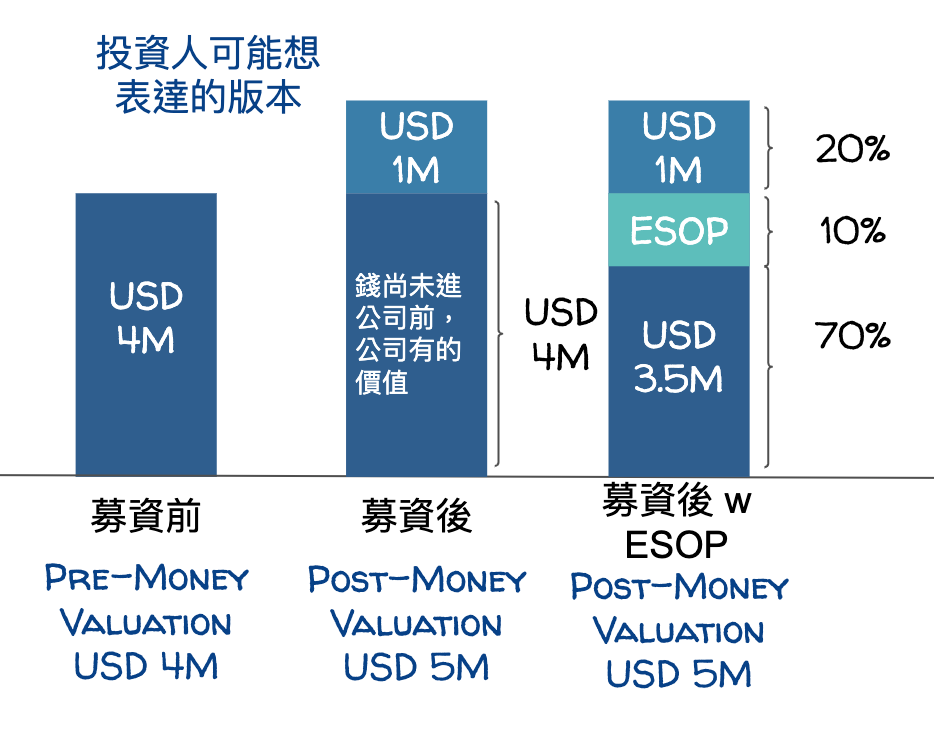 [VC 101] ESOP 發生時 Cap Table 的實際操作 - Cornerstone Ventures
如果對於 ESOP 不熟悉的人,可以參考什麼是 ESOP 。如果你在募資的過程,跟投資人提到,你希望這一輪可以發行 10% 的 ESOP 讓團隊未來可以發給公司重要的團隊成員。如果你的投資人說,好,那我就投資你 USD 1M,Pre-Money Valuation 是 USD 4M,有 10% 的 ESOP。請問你該如何解讀? 有人可能會像下圖的想像,投資人給我這樣的估值,我把錢拿下來後,還有另外 10% 的 ESOP。但數學上算一算,其實你的估值就不會是 USD 5M,如果考量 ESOP 完全發出後 (Fully Diluted),這些 ESOP 也是有價值的,加上去後就是 Post-Money Valuation 為 USD 5.56M。 然而新投資人的意思可能是指,新投資人認為公司在其投資前就是值 USD 4M,新投資人投資 USD 1M 就是要佔 20%,而公司希望有 10% 的 ESOP,那在新投資人原本的前提成立下,設計出這個架構,詳見下圖。也就是那 10% 的 ESOP 是隱含在 Pre-Money
cornerstonevc.tw
[VC 101] ESOP 發生時 Cap Table 的實際操作 - Cornerstone Ventures
如果對於 ESOP 不熟悉的人,可以參考什麼是 ESOP 。如果你在募資的過程,跟投資人提到,你希望這一輪可以發行 10% 的 ESOP 讓團隊未來可以發給公司重要的團隊成員。如果你的投資人說,好,那我就投資你 USD 1M,Pre-Money Valuation 是 USD 4M,有 10% 的 ESOP。請問你該如何解讀? 有人可能會像下圖的想像,投資人給我這樣的估值,我把錢拿下來後,還有另外 10% 的 ESOP。但數學上算一算,其實你的估值就不會是 USD 5M,如果考量 ESOP 完全發出後 (Fully Diluted),這些 ESOP 也是有價值的,加上去後就是 Post-Money Valuation 為 USD 5.56M。 然而新投資人的意思可能是指,新投資人認為公司在其投資前就是值 USD 4M,新投資人投資 USD 1M 就是要佔 20%,而公司希望有 10% 的 ESOP,那在新投資人原本的前提成立下,設計出這個架構,詳見下圖。也就是那 10% 的 ESOP 是隱含在 Pre-Money
cornerstonevc.tw
 [VC 101] 創業者對於 ESOP 常見的誤解 - Cornerstone Ventures
台灣創業者對於 ESOP 常常有一些似懂非懂的觀念存在,所以在設計當初就會用那時候的觀念,做了 ESOP 的辦法,內心就認為 ESOP 這樣執行就沒問題了。但最後要執行階段,問了會計師,才發現當初誤解的觀念,可能會是公司日後的地雷,就得要花更多心力來解決。過去我們也曾就 ESOP 寫了一些文章跟大家分享,例如: [VC 101] 什麼是 ESOP 、 [VC 101] 如何設計 ESOP 架構 等。但最近有遇到一些創業者,他分享了他目前在公司 ESOP 執行上的問題,也透過這個例子,讓大家釐清幾個觀念。 先前文章提到,ESOP 是指員工在一段期間內 (通常是四年),可以分批拿到「認股的權利」,而且這個權利通常可以持有個一段時間 (通常是三到五年不等),當你有這權利時,你就可以在你持有的期間內,用雙方先前約定好的執行價格 (Strike Price),例如一股 5 元的價格,去認購公司的股票。也就是在你執行前,你只有這個「權利」,但你還沒有公司的股票。但你還沒執行前,你也就不用花一毛錢去買這股票,你可以觀望一下,如果公司股票漲到 100 元,你再執行也都會有 95 元的套利,就算你有 100 萬股,需要支付 500 萬元的錢,但因為股票價值一億元,所以就算這 500 萬元的金額很大,你還是有辦法找到方式跑個金流把 ESOP 執行完,再賣掉股票獲利。反過來說,如果公司真的表現不好,一股只剩下 4 元,你就可以選擇不執行,這也就代表你跟公司一起奮戰希望能夠獲得更好的 Financial Return 變成一場空。 過去台灣公司的架構下,為了讓創始團隊能夠持有比較多股份,通常都會利用「技術股」的觀念,讓創始團隊比較無償的拿到公司的股票。所以很多人就會把 ESOP 當成是技術股的一種,在跟其他初始團隊成員溝通時,就會以「你來加入我們團隊,雖然經濟上會有損失,跟你在工作時的薪水不能比,但我給你
cornerstonevc.tw
[VC 101] 創業者對於 ESOP 常見的誤解 - Cornerstone Ventures
台灣創業者對於 ESOP 常常有一些似懂非懂的觀念存在,所以在設計當初就會用那時候的觀念,做了 ESOP 的辦法,內心就認為 ESOP 這樣執行就沒問題了。但最後要執行階段,問了會計師,才發現當初誤解的觀念,可能會是公司日後的地雷,就得要花更多心力來解決。過去我們也曾就 ESOP 寫了一些文章跟大家分享,例如: [VC 101] 什麼是 ESOP 、 [VC 101] 如何設計 ESOP 架構 等。但最近有遇到一些創業者,他分享了他目前在公司 ESOP 執行上的問題,也透過這個例子,讓大家釐清幾個觀念。 先前文章提到,ESOP 是指員工在一段期間內 (通常是四年),可以分批拿到「認股的權利」,而且這個權利通常可以持有個一段時間 (通常是三到五年不等),當你有這權利時,你就可以在你持有的期間內,用雙方先前約定好的執行價格 (Strike Price),例如一股 5 元的價格,去認購公司的股票。也就是在你執行前,你只有這個「權利」,但你還沒有公司的股票。但你還沒執行前,你也就不用花一毛錢去買這股票,你可以觀望一下,如果公司股票漲到 100 元,你再執行也都會有 95 元的套利,就算你有 100 萬股,需要支付 500 萬元的錢,但因為股票價值一億元,所以就算這 500 萬元的金額很大,你還是有辦法找到方式跑個金流把 ESOP 執行完,再賣掉股票獲利。反過來說,如果公司真的表現不好,一股只剩下 4 元,你就可以選擇不執行,這也就代表你跟公司一起奮戰希望能夠獲得更好的 Financial Return 變成一場空。 過去台灣公司的架構下,為了讓創始團隊能夠持有比較多股份,通常都會利用「技術股」的觀念,讓創始團隊比較無償的拿到公司的股票。所以很多人就會把 ESOP 當成是技術股的一種,在跟其他初始團隊成員溝通時,就會以「你來加入我們團隊,雖然經濟上會有損失,跟你在工作時的薪水不能比,但我給你
cornerstonevc.tw
Tools you should use
Use DocSend to send your slides, so you can see what VCs care about.